How we build our homes
Watch our construction overview video. Materials and methods shown in this earlier video may differ from those specified for a current property; confirm the details of the home you are considering with our team.



Explore the materials, construction methods and finishes featured in Williams Corporation homes. From foundations and framing to interior finishes, this page explains our approach to building new homes in New Zealand. Speak to a client consultant about the specifications and inclusions for the property you are considering.
Watch our construction overview video. Materials and methods shown in this earlier video may differ from those specified for a current property; confirm the details of the home you are considering with our team.
This video introduces the appliances, fittings and finishes featured in the homes shown. Confirm the specifications and inclusions for the property you are considering with our team.
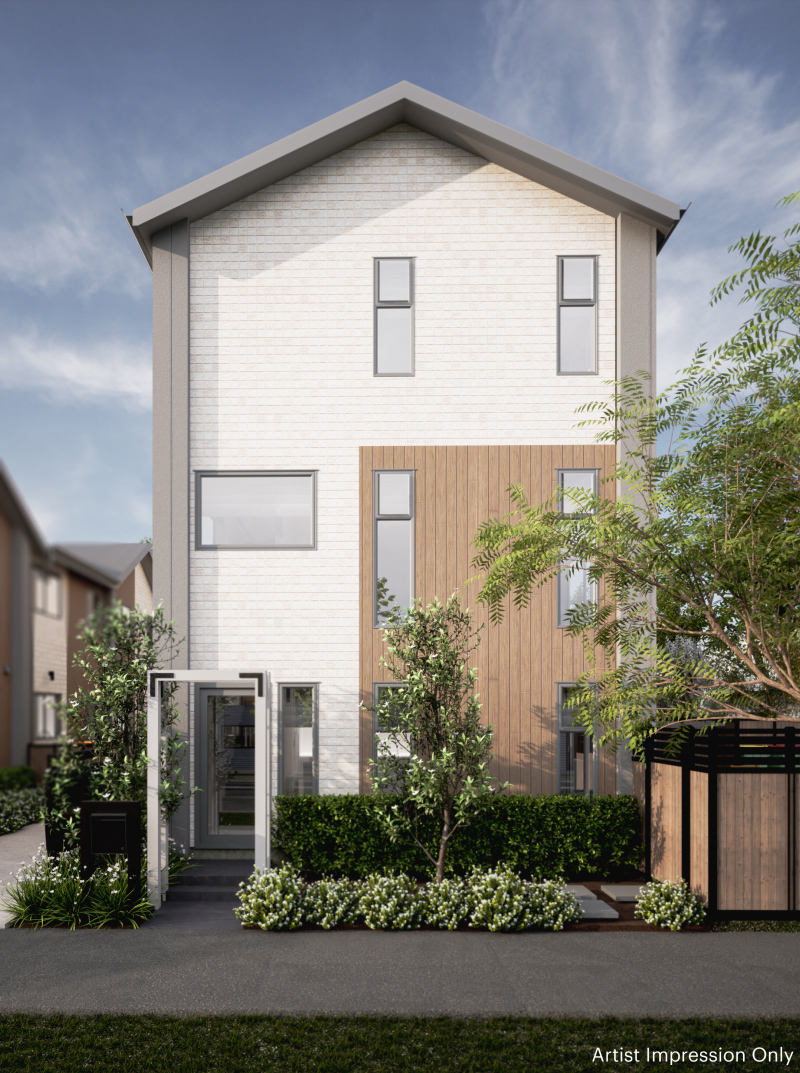
Hover over the dots to view our better building executions.
Quality is paramount in our properties and only the best products are going into the construction and fit-out of our developments.
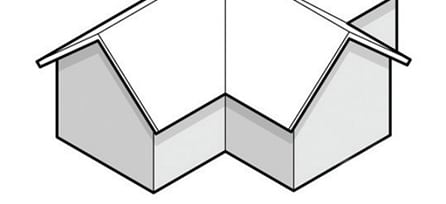
Safe Building Envelope
All of our homes have longevity in mind, we do not use internal gutters, flat roofs or other high-risk design elements. We use leading products both on the walls and behind them to create a low maintenance home that will last the test of time.
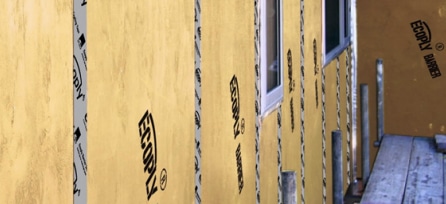
Solid Air Barrier
It is no surprise that the building code requires a solid air barrier in extra high wind zones. When compared to building paper, a solid air barrier offers a more robust cavity and extra structural bracing on the home.
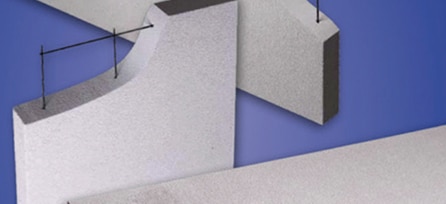
Hebel Intertenancy Wall
Hebel Powerpanel XL is made out of aerated concrete and provides fantastic acoustic and fire-resistant properties. For the wall system used in your property, obtain its specifications and installation guidance before fixing items to it or making alterations.
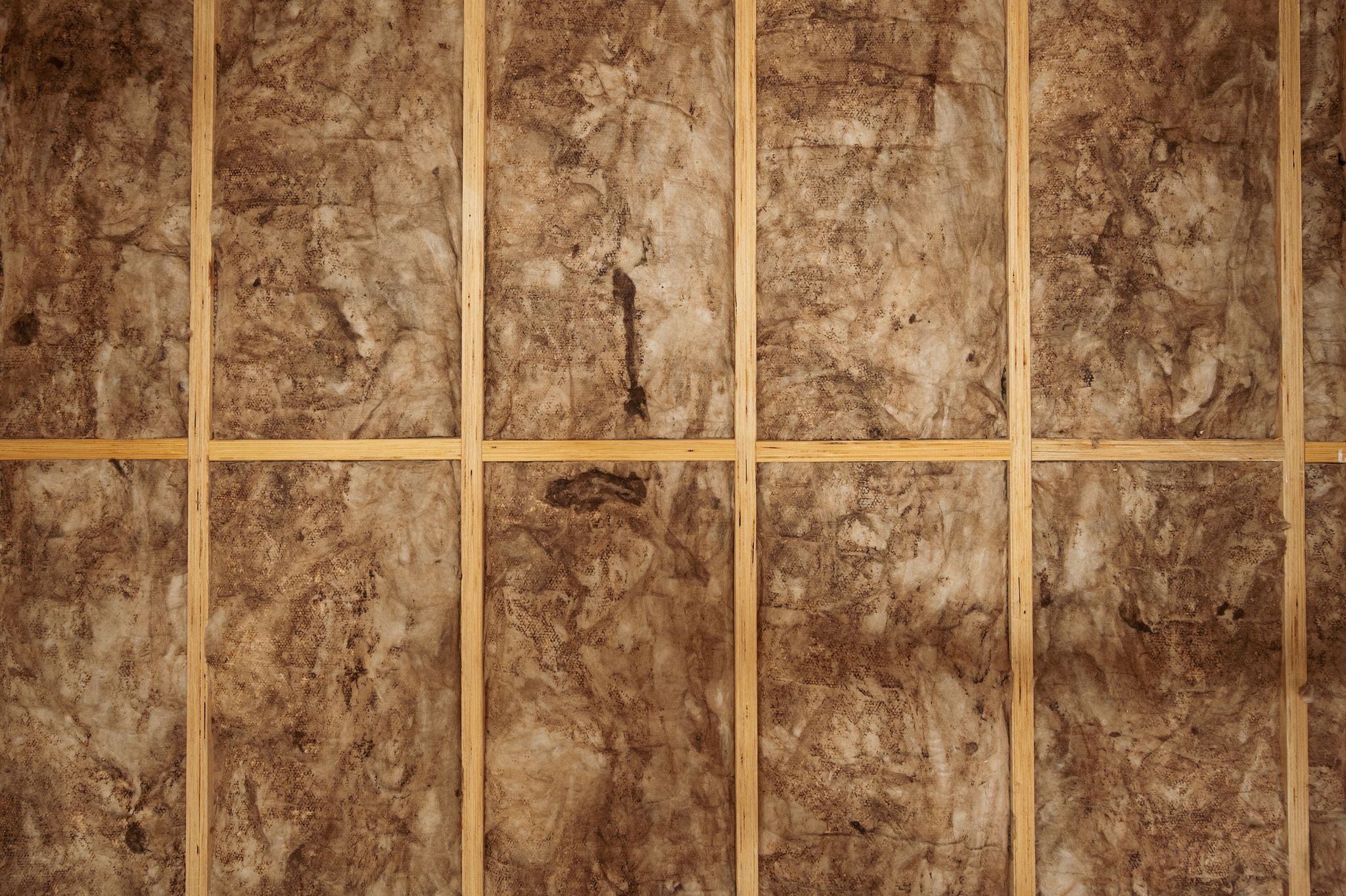
Insulation
We use Brownie insulation, which is formaldehyde-free and offers excellent fire safety, thermal and acoustical performance. With warm dry homes being paramount for our construction methodology, we use an R7.2 ceiling batt. For the external walls, we use an R2.6 wall batt. Please confirm the insulation specification for the property you are considering with a client consultant.
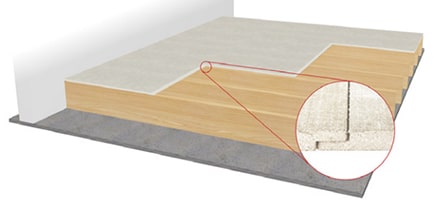
Maglok Dragonboard Flooring
Constructed out of magnesium oxide, MagLok Dragonboard Flooring has a concrete-like feel, can’t squeak and has higher fire and water resistance when compared to particle board.
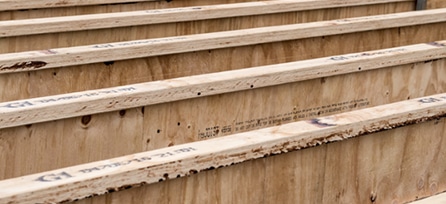
LVL I-Joists
Manufactured from sustainably grown New Zealand Pine, LVL I-joists are half the weight of conventional softwood joists and are straight, uniform and dimensionally stable. This provides a lighter, stronger midfloor that has less chance of long term deflection.
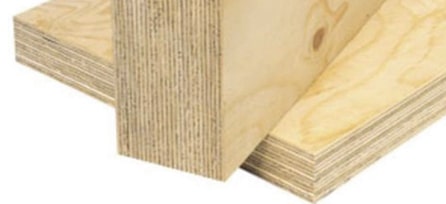
LVL Frames
LVL stands for laminated veneer lumber, LVL timber is dimensionally accurate, straighter and meets or exceeds equivalent stress tests when compared to standard SG8 and SG10 pine framing.
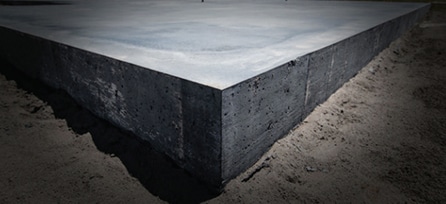
Engineered Slab
Constructed on top of the gravel raft, an engineered slab provides the benefits of the concrete foundation sitting on the ground instead of in it. Constructed with concrete, steel and polystyrene pods, with the process being signed off by an engineer.
Gravel Raft
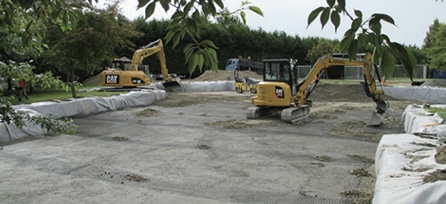
Soils are stripped down and replaced with compacted gravel, the entire process is signed off and overseen by an engineer. A gravel raft provides a stable platform and strengthens the ground under your home.
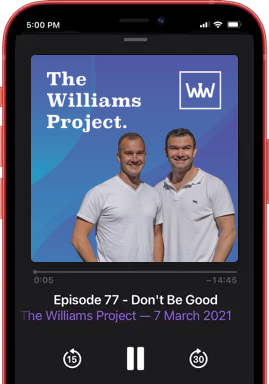
In this episode, Matthew and Blair explain how Williams Corporation builds a house from the ground up.
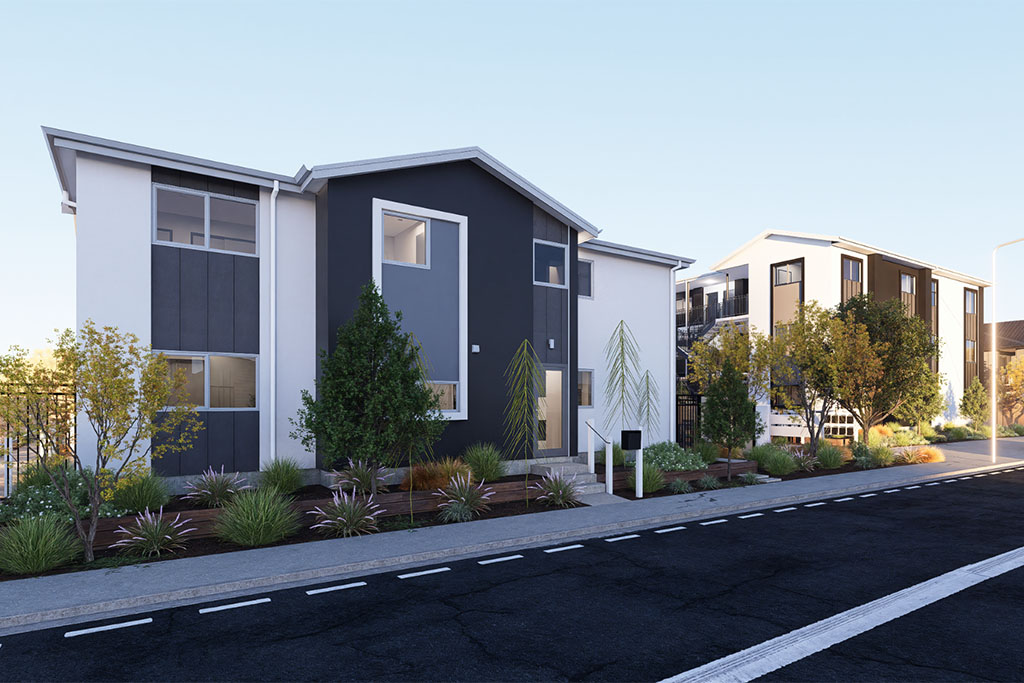

Explore customer experiences, floor-plan examples and information about our buying process.
Don’t just take our word for it, meet our happy homeowners.

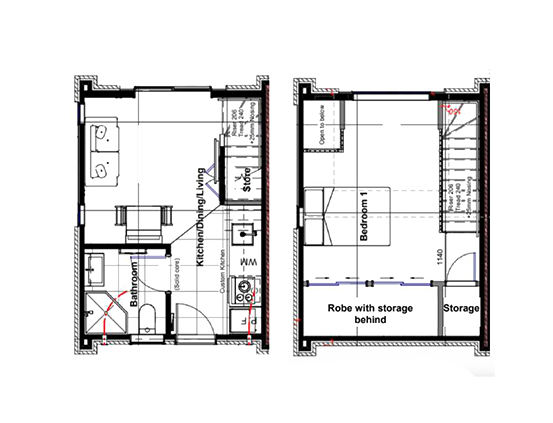
Compare layouts using our floor-plan images and written summaries.
Learn more about Williams Corporation’s five-step purchase process.